Qirat Quran Online

Blogs

When can a woman take off her hijab

When Can A woman Take Off Her Hijab

When can a woman take off her hijab

When can a woman take off her hijab ?

what is a hijab ?

In Islam, a hijab is greater than just a head overlaying. It’s a complicated concept intertwined with cultural expression, religious significance, and person identification.

The following circumstances allow a woman to remove her Hijab:

At Home:

Muslim women are exempt from wearing a hijab when taking care of themselves, including sleeping and taking baths. They are free to remove their headscarves for comfort while they are in the privacy of their own houses.

In Mahram’s Presence:

A woman is free to take off her headscarf when she is among her immediate family, which includes her husband, father, brother, son, or nephew. This exception acknowledges the strong ties and sense of security that exist among families.

Among Women:

Muslim women can take off their headscarves when they are with other women and there are no unrelated men around to promote a feeling of relaxation and sisterhood.

With Family:

A Muslim lady may decide to take off her headscarf for special family get-togethers or private times, prioritizing close family ties over rigorous modesty.

In Privacy:

To protect their own comfort and privacy, Muslim women are free to take off their headscarves while they are by themselves in a room or at home.

Before Puberty:

Until they hit puberty, girls are not required to wear the hijab. Girls may decide to wear the hijab as a symbol of respect for family customs after achieving this milestone.

For Medical Purposes:

Muslim women may momentarily take off their headscarves in order to undergo necessary medical checkups.

Conclusion

Although Muslim women are expected to wear the hijab at all times, these exceptions recognise the value of safety, privacy, and practicality in their daily lives. The hijab is a versatile symbol of modesty and faith that can be worn in many contexts and by women of different ages.

Share on >>

Share on facebook
Share on twitter
Share on linkedin
Share on skype

When Can A woman Take Off Her Hijab Read More »

What is Sadaqah Jariyah

What Is Sadaqah Jariyah

What is Sadaqah Jariyah

What is Sadaqah Jariyah ?

Introduction

One idea sticks out in the extensive tapestry of Islamic teachings because of its exceptional fusion of spirituality and practical action: sadaqah. Fundamentally, sadaqah is a voluntary charitable deed performed by Muslims out of love for Allah and people. A certain version known as sadaqah jariyah bears the unusual assurance of everlasting blessings. Let’s examine its meaning and learn how to offer sadaqah to others.

Sadaqah Jariyah Meaning

“Sadaqah jariyah” is to provide continuously or perpetually. Its enduring effect is different from that of ordinary sadaqah. Standard sadaqah offers solace right away, while sadaqah jariyah benefits others and earns rewards for the giver long after they pass away. For example, the water extracted from a well would benefit a great number of people for many years if funding were provided for its development. The guy who dug this well continues to be blessed each time someone drinks from it.

It was once stated by the Prophet Muhammad (Peace Be Upon Him), “When a man dies, his deeds come to an end except for three things: Sadaqah Jariyah; knowledge which is beneficial; or a virtuous descendant who prays for him (for the deceased)” [Sahih Muslim].

This hadith emphasises how sadaqah jariyah is everlasting and has a significant effect on both the giver and the receiver.

How To Donate Sadaqah Jariyah

There are several methods to offer this ongoing charity.

Sadaqah Jariyah Examples

Building Infrastructure 

As was already said, erecting long-lasting infrastructure—such as schools, hospitals, or wells—is a powerful way to practice sadaqah jariyah.

Knowledge Transfer

Starting schools, providing scholarships, or even just imparting a skill can benefit people and communities in the long run.

Planting Trees

Planting a tree becomes a religious act in a world where environmental issues are a major concern because it will provide fruits and shade for future generations.

How Can I Offer Sadaqah Jariyah On Behalf Of Someone

The adaptability of sadaqah is what makes it so lovely. Giving is something you may do not only for yourself, but also for a friend, a living relative, or even a loved one who has passed away. Here’s how to do it.

Intention (Niyyah)

 Have a certain intention in mind before you begin. Make it clear in your heart that the sadaqah you are going to offer is for the benefit of another person.

Select a Cause

Choose the type of sadaqah jariyah that you want to practice. Do you want to support a student’s education, dig a well, or provide money to a school?

Give the Charity Your All

Make sure the person or organization you are donating to knows that the money is being donated on someone else’s behalf when you make your donation. Frequently, a straightforward message or instruction can accomplish this.

Offering sadaqah on behalf of another person has immense benefits for the one on whose behalf it is made, in addition to the intended beneficiaries.

Conclusion

Sadaqah jariyah is evidence of the deep compassion and wisdom contained in Islamic teachings. It gives Muslims a way to leave a legacy that endures and helps people long after they are gone. In a world full of passing moments, the prospect of continuous compassion offers consolation, hope, and a practical means of changing the world.

Share on >>

Share on facebook
Share on twitter
Share on linkedin
Share on skype

What Is Sadaqah Jariyah Read More »

What is Maharam in islam

What Is Mahram In Islam

What is Maharam in islam

What is Mahram in Islam ?

Islam defines appropriate relationships and interactions primarily through the notion of “Mahram.” It is essential for Muslims to comprehend the qualifications for being a Mahram in order to follow the rules established by Islamic law. We shall examine the meaning of Mahram in Islam in this thorough study, looking at references from the Quran and Hadith and emphasising its useful applications in day-to-day living.

Mahram Meaning

The Arabic word “mahram” describes those who, because of their strong family ties, a Muslim is not allowed to marry or have personal contact with. In the Muslim community, these ties act as a safeguard, encouraging modesty and decency.

What is Quran says About Mahram ?

We go to the Quran for direction when we want to understand Mahram partnerships better.

A comprehensive list of Mahram connections is given in Surah An-Nisa (4:22–23), with a focus on the ban of marriage and other forms of close relationship with them.

وَلَا تَنكِحُواْ مَا نَكَحَ ءَابَآؤُكُم مِّنَ ٱلنِّسَآءِ إِلَّا مَا قَدۡ سَلَفَۚ إِنَّهُۥ كَانَ فَٰحِشَةٗ وَمَقۡتٗا وَسَآءَ سَبِيلًا

And do not marry those [women] whom your fathers married, except what has already occurred. Indeed, it was an immorality and hateful [to Allah] and was evil as a way.

Surah An-Nisa (4:22–23)

This verse emphasises the value of following these rules and emphasises how sacred family ties are in Islam.

Hadith on Mahram

Apart from the Quran, Hadith provides additional understanding of Mahram connections. 

The Prophet Muhammad (peace be upon him) said:

“A man must not be alone with a woman except in the presence of a Mahram.”

(al-Bukhari : 5233)

This Hadith highlights how important it is to identify one’s Mahram ancestors in order to uphold proper limits in relationships between men and women.

List of Relationships with Mahram

Let’s examine the particular partnerships that, according to Islam, are considered Mahrams:

Parents: Your primary Mahram are your biological parents. The foundation of the family is this spiritual relationship.

Siblings: Step-siblings on the mother’s side are included in the category of Mahram, as are full and half siblings.

Offspring: Your offspring bear obligations and require care, making them an integral part of your Mahram interactions.

Generational relationships guarantee that grandparents and grandchildren are Mahram to one another.

Uncles and Aunts: Mahrams are the aunts and uncles on both your mother’s and father’s sides.

Nieces and Nephews: You regard your aunts’ and uncles’ offspring—your cousins—as Mahram, just as they regard you.

lets enjoy online games with your friends and spend quality time. Try p999 game download and enjoy.

Applications of Mahram Relationships in Practice

Muslims’ daily life are impacted in a practical way by knowing who is considered a Mahram. It directs their activities and relationships, making sure that proper boundaries are maintained with close family members. The following are important things to remember:

Modesty: Since there is no rigid necessity to cover up in front of them, mahram partnerships promote modesty in both behavior and clothing. This respects the modesty and purity of Islam.

Social Interactions: Being aware of Mahram relatives makes it easier to decide who is appropriate to travel, interact with, or seek advice from.

Matrimony: When contemplating marriage, it is essential to have a thorough grasp of Mahram partnerships. It makes sure that marriages follow Allah’s rules and avoids relationships that are forbidden in Islam.

Inheritance: Islamic inheritance laws are influenced by mahram ties when it comes to establishing a person’s eligibility to inherit from a deceased person.

Conclusion

Mahram interactions, in summary, are essential to Islamic ethics and family life. They protect the integrity of family ties and promote modesty and decency among Muslims. Islamic principles govern social interactions and personal lives based on an understanding of these relationships.

Share on >>

Share on facebook
Share on twitter
Share on linkedin
Share on skype

What Is Mahram In Islam Read More »

Facts about Masjid Al Aqsa

Facts About Masjid Al Aqsa

Facts about Masjid Al Aqsa

Facts about Masjid Al Aqsa :

What is Masjid Al Aqsa?

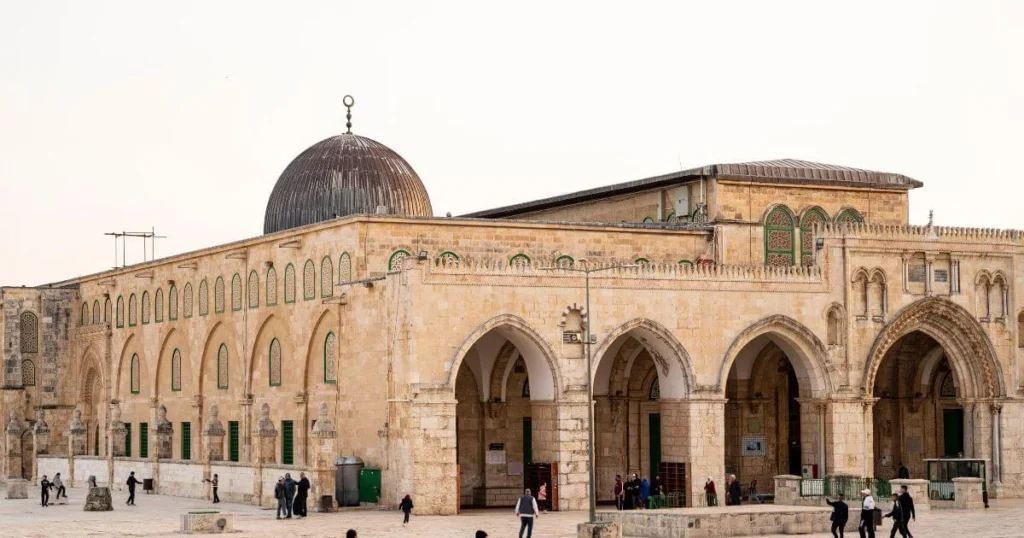
Masjid Al Aqsa, also called Baitul Muqadis or the Farthest Mosque, is a mosque situated in Jerusalem’s Old City and is regarded as the third holiest mosque following Masjid Al Haram and Masjid Nabawi.

Because of its rich history, Masjid Al Aqsa is a significant place of worship for Muslims worldwide. Built on top of Temple Mount, also known as The Noble Sanctuary, Masjid Al Aqsa occupies 144,000 square metres. The Al Aqsa library, courtyards, prayer halls, mosques, and other holy sites are all part of the holy compound.

Why Is Masjid Al Aqsa Important?

The first Qiblah

Islam’s first Qiblah, or direction of prayer, was Masjid Al Aqsa. Before the Holy Kaaba was rebuilt and Allah SWT gave the order to shift the Qiblah to face the Holy Kaaba, it is thought that the Muslim Ummah and Prophet Muhammad (PBUH) would recite Salah with their backs to Jerusalem’s Baitul Muqadas, or Masjid Al Aqsa.

The Night Journey (Isra’ and Mi’raj)

As mentioned earlier, Masjid Al Aqsa is believed to be the starting point of the Prophet Muhammad’s miraculous Night Journey where he led all the prophets in prayer before ascending to heaven. This event is considered a significant miracle and a testament to the importance of the site.

The second holiest site in Islam

Masjid Al-Aqsa is considered the third holiest mosque after Masjid Al Haram and Masjid Nabawi.

Land of the Prophets

Masjid Al Aqsa is an important Islamic site that was visited by Prophets Ibrahim (AS) and Ismail (AS), their grandson Prophet Yaqub (AS), Prophet Musa (AS), Prophet Yusuf (AS), and Prophet Muhammad (PBUH). The third-holiest mosque in the world’s glittering golden dome is a representation of resistance and monotheism.

Beautiful Masjid Al Aqsa In The Quran

The surrounding territory of Masjid Al-Aqsa is referred to in the Quran as the “Blessed Land,” emphasizing its spiritual significance and profusion of heavenly blessings.

سُبۡحَٰنَ ٱلَّذِيٓ أَسۡرَىٰ بِعَبۡدِهِۦ لَيۡلٗا مِّنَ ٱلۡمَسۡجِدِ ٱلۡحَرَامِ إِلَى ٱلۡمَسۡجِدِ ٱلۡأَقۡصَا ٱلَّذِي بَٰرَكۡنَا حَوۡلَهُۥ لِنُرِيَهُۥ مِنۡ ءَايَٰتِنَآۚ إِنَّهُۥ هُوَ ٱلسَّمِيعُ ٱلۡبَصِيرُ

Exalted is He who took His Servant by night from al-Masjid al-Haram to al-Masjid al-Aqsa, whose surroundings We have blessed, to show him of Our signs. Indeed, He is the Hearing, the Seeing.

QURAN 17:1

A symbol of unity and hope

For Muslims all across the world, Masjid Al-Aqsa continues to stand for their common faith and hopes for peace.

A reminder of Islamic history and heritage

The complex’s artwork, architecture, and inscriptions all act as a living reminder of Islam’s rich cultural legacy.

A responsibility to protect

As a sacred trust entrusted to them, Muslims feel it is their duty to preserve and defend the sanctity of Masjid Al-Aqsa.

Dome of the Rock

The Rock inside the Dome of the Rock is believed to be the same rock from which Prophet Abraham almost sacrificed his son and the place where Prophet Muhammad stood during his ascent to heaven.

These are just some of the many facts about Masjid Al-Aqsa according to Islamic perspective. It is important to remember that there are diverse interpretations and perspectives within Islam regarding the significance and details surrounding this holy site.

Where Is Masjid Al Aqsa Located?

Al-Aqsa Mosque is located in the heart of Jerusalem.

Who Built Masjid Al Aqsa?

According to Sunan al-Nasai (693) and al-Albani’s Sahih al-Nasai, Sulayman (peace be upon him) built the Al-Aqsa Mosque. Al-Aqsa Mosque was supposed to have existed prior to Sulayman (peace be upon him) and was rebuilt by him.

Share on >>

Share on facebook
Share on twitter
Share on linkedin
Share on skype

Facts About Masjid Al Aqsa Read More »

What is Sharia

What Is Sharia

What is Sharia

What is Sharia ?

Sharia Definition

The entire Islamic faith, which Allah selected to bring His servants out of the depths of darkness and into the light, is referred to as Shari’ah. It is what He has instructed them to do and clarified to them regarding halal and haram, mandates and prohibitions.

The one who abides by Allah’s Shari’ah, accepting as legal what He has approved and rejecting as forbidden what He has forbidden, will succeed.

A person who disobeys Allah’s Shari’ah exposes themselves to the wrath, rage, and punishment of Allah.

ALLAH says in Quran:

ثُمَّ جَعَلۡنَٰكَ عَلَىٰ شَرِيعَةٖ مِّنَ ٱلۡأَمۡرِ فَٱتَّبِعۡهَا وَلَا تَتَّبِعۡ أَهۡوَآءَ ٱلَّذِينَ لَا يَعۡلَمُونَ

Then We put you, [O Muhammad], on an ordained way concerning the matter [of religion]; so follow it and do not follow the inclinations of those who do not know.

QURAN 45:18

Can you go against Sharia?

Shari’ah refers to submission to Allah, His Messenger, and our social hierarchy.

ALLAH say:

يَـٰٓأَيُّهَا ٱلَّذِينَ ءَامَنُوٓاْ أَطِيعُواْ ٱللَّهَ وَأَطِيعُواْ ٱلرَّسُولَ وَأُوْلِي ٱلۡأَمۡرِ مِنكُمۡۖ فَإِن تَنَٰزَعۡتُمۡ فِي شَيۡءٖ فَرُدُّوهُ إِلَى ٱللَّهِ وَٱلرَّسُولِ إِن كُنتُمۡ تُؤۡمِنُونَ بِٱللَّهِ وَٱلۡيَوۡمِ ٱلۡأٓخِرِۚ ذَٰلِكَ خَيۡرٞ وَأَحۡسَنُ تَأۡوِيلًا

O you who have believed, obey Allah and obey the Messenger and those in authority among you. And if you disagree over anything, refer it to Allah and the Messenger, if you should believe in Allah and the Last Day. That is the best [way] and best in result.

QURAN 4:59

In numerous verses of the Quran, He has commanded obedience to Himself and obedience to His Messenger, and He has forbade disobedience to Both Him and His Messenger. When obedience to Him and His Messenger is shown, He has promised good pleasure, forgiveness, mercy, and Paradise; when disobedience to Him and His Messenger is shown, He has warned of the opposite. 

Thus, whatever one does—teaching and learning, judging, enjoining what is good or forbidding what is evil, performing any deed, performing an act of worship, or anything else—all must be obeyed by Allah and His Messenger, regardless of their status as scholars, rulers, devoted worshippers, or people engaged in dealings and transactions with others.

وَأَنَّ هَٰذَا صِرَٰطِي مُسۡتَقِيمٗا فَٱتَّبِعُوهُۖ وَلَا تَتَّبِعُواْ ٱلسُّبُلَ فَتَفَرَّقَ بِكُمۡ عَن سَبِيلِهِۦۚ ذَٰلِكُمۡ وَصَّىٰكُم بِهِۦ لَعَلَّكُمۡ تَتَّقُونَ

And, [moreover], this is My path, which is straight, so follow it; and do not follow [other] ways, for you will be separated from His way. This has He instructed you that you may become righteous.

QURAN 6:153

Share on >>

Share on facebook
Share on twitter
Share on linkedin
Share on skype

What Is Sharia Read More »

What is Adhan

What Is Adhan

What is Adhan

What is Adhan? Islamic Call to Prayer

Adhan Meaning

Adhan is the verb of declare, announce, and inform. Adhan is a religious phrase that refers to sacred words spoken to alert Muslims to prayer times. A muezzin is a person who calls the adhan.

Decree about Adhan

To call adhan for five daily fard prayers is definite based on the Quran (al-Maida, 58; al-Jumu’a, 9) and the Sunnah.The decree about it is sunnah al-muakkadah and kifayah.In other words, the other residents of a place will be released from their obligation if a person residing there performs this task. But everyone residing there will be accountable if calling adhan is completely abandoned. Adhan is considered a sunnah at the level of wajib since it is one of the biggest symbols of Islam. During the first year of the Migration in Madinah, Adhan was granted legitimacy.

Importance and Virtues of Adhan

Through the adhan, Muslims are reminded of the times for prayer and are also urged to pray because it is through prayer that one can reach salvation. More significantly, adhan serves as a global declaration of the most sacred Islamic concepts, such as prophethood and oneness.

Calling adhan so bestows upon man many virtues and thawabs.

Adhan words and Adhan transliteration

اللّهُاَكْبَرُاللّهُاَكْبَرُ

Allahu Akbar Allahu Akbar.

اللّهُاَكْبَرُاللّهُاَكْبَرُ

Allahu Akbar Allahu Akbar.

اَشْهَدُاَنْلااِلَهَاِلاَّاللّهُ

Ashhadu an la ilaha illallah

اَشْهَدُاَنْلااِلَهَاِلاَّاللّهُ

Ashhadu an la ilaha illallah

اَشْهَدُاَنَّمُحَمَّدَاًرَسُولُاللّه

Ashhadu anna Muhammad ar-Rasulullah

اَشْهَدُاَنَّمُحَمَّدَاًرَسُولُاللّه

Ashhadu anna Muhammad ar-Rasulullah

حَىَّعَلَىالصَّلاةِ

Hayya ala’s-Salah

حَىَّعَلَىالصَّلاةِ

Hayya ala’s-Salah

حَىَّعَلَىالْفَلاحِ

Hayya ala’l-Falah

حَىَّعَلَىالْفَلاحِ

Hayya ala’l-Falah

اَللّهُاَكْبَرُاللّهُاَكْبَرُ

Allahu Akbar Allahu Akbar

لااِلَهَاِلاَّاللّهُ

La ilaha illallah

Adhan in English

“Allah is the greatest. Allah is the greatest. Allah is the greatest. Allah is the greatest.

I witness that there is no god but Allah. I witness that there is no god but Allah.

I witness that Muhammad is Allah’s Messenger. I witness that Muhammad is Allah’s Messenger.

Come to the prayer! Come to the prayer!

Come to the salvation! Come to the salvation!

Allah is the greatest. Allah is the greatest.

There is no god but Allah.”

That is how Adhan is called in the afternoon, evening, and night. “As-salatu khayrun mina’n-nawm (prayer is better than sleep)” is recited twice during the morning prayer, following “hayya ala’l-falah”. The aforementioned sentence is uttered in adhan because the comfort in the hereafter is superior to the comfort in the world. Sleep provides comfort in the world, while prayer delivers comfort in the hereafter.

Iqamah Meaning

The adhan words said right before the fard prayer begins are known as iqamah.Iqamah is said just before the fard begins, whereas adhan is called when the prayer’s time period begins.

When performing a prayer in congregation, the Mu’adhdhin recites Iqamah loudly. Men who perform a prayer by themselves recite Iqamah only as loud as they can hear themselves. Women do not recite Iqamah. The words of al-Iqamah are almost the same as Adhan. Only in the call to the actual start of a prayer (Iqamah), the addition of “Qadqaamati’s- Salah,” which means “The prayer has started,” is said twice after the recitation of “Hayy’al-al-Falah.” Also, while Adhan is called slowly with time lapses between the phrases, Iqamah is called swiftly and without waiting in between the phrases.

What is Iqamah?

Iqamah in English

Iqamah Transliteration

– Allahu Akbar (4 times)

– Ashhadu an-la-ilaha illa Allah (2 times)

– Ashhadu anna Muhammadan-Rasulu Allah (2 times)

– Hayya ‘al-as-Salah (2 times)

– Hayya ‘ala-al-Falah (2 times)

– Qad-qaamati-s-Salah (2 times)

– Allahu Akbar (2 times)

– La ilaha illa Allah (1 time)

Dua After Adhan

After adhan concludes, recite the following dua:

اَللّهُمَّ رَبَّ هذِهِ الدَّعْوَةِ التَّامَّةِ وَ الصَّلاةِ الْقَائِمَةِ اتِ مُحَمَّدًا الْوَسيلَةَ وَ الْفَضِيلَةَ وَ ابْعَثْهُ مَقَامًا مَحْمُودًا الَّذى وَعَدْتَهُ

O Allah! Lord of this perfect call (perfect by not ascribing partners to You) and of the regular prayer which is going to be established, give Muhammad the right of intercession and illustriousness, and resurrect him to the best and the highest place in Paradise that You promised him (of)], then my intercession for him will be allowed on the Day of Resurrection”.

Sahih Al-Bukhari 614

Share on >>

Share on facebook
Share on twitter
Share on linkedin
Share on skype

What Is Adhan Read More »

online quran teaching jobs

Online Quran Teaching Jobs

online quran teaching jobs

online quran teaching jobs :

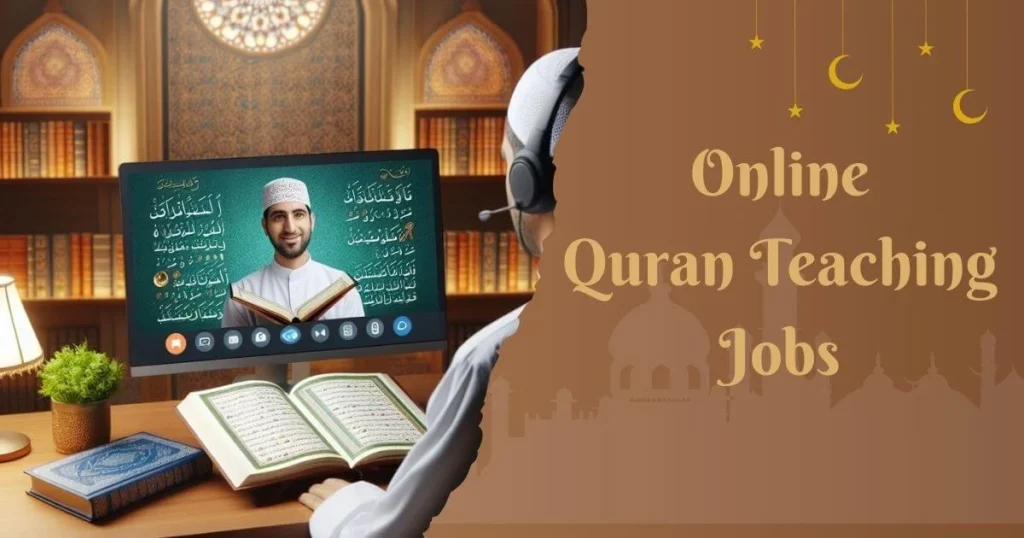
The need for online Quran instruction has increased in the current digital era, providing several career options for qualified teachers. This blog post attempts to explore the prerequisites, advantages, and rewards related to this honorable career as it delves into the world of online Quran teaching jobs. 

1. The Rise of Online Quran Teaching:

Emergence of Online Platforms:

The spread of digital platforms and technology has made online Quran instruction more widely available to study the Quran Online around the globe.

Global Reach:

Teachers can reach students from a variety of backgrounds and cultures through online Quran instruction, which crosses national boundaries.

2. Qualifications and Skills Required:

Expertise in Tajweed and Tafsir:

Online Quran instructors must be proficient in both Tafsir, or Quranic interpretation, and Tajweed, or the norms of reciting the Quran.

Effective Communication Skills:

Teachers of the Quran online need to be proficient communicators in order to engage students in virtual classrooms and effectively impart knowledge.

3. The Benefits of Online Quran Teaching Jobs:

Flexibility and Convenience:

Teachers can design a timetable that fits their lifestyle by choosing to teach the Quran online, which gives them freedom with regard to working hours and location.

Global Impact:

Teachers can have a worldwide influence by teaching the Quran online, reaching students all over the world and fostering their spiritual development.

4. Building a Rewarding Career:

Fulfilling Spiritual Duty:

Teaching the Quran online is more than simply a job; it’s a rewarding spiritual obligation that enables teachers to impart Quranic knowledge to upcoming generations.

Creating Meaningful Connections:

Teachers of the Quran online have the honor of forming deep bonds with their pupils and assisting them in their quest for spiritual growth and Quranic knowledge.

5. Platforms for Online Quran Teaching Jobs:

Specialized Online Academies:

Quranic education is the focus of specialized online schools that give platforms for certified teachers to provide their services.

Freelancing Websites:

Quran instructors can also recruit students and offer their services on a freelance basis using websites that facilitate freelancing.

6. Challenges and Considerations:

Technological Requirements:

For online Quran classes to be conducted properly, teachers need to have access to dependable internet connections and the necessary technology.

Student Engagement:

It can be difficult to keep students motivated and engaged in an online environment; creative teaching techniques and approaches are needed.

7. Tips for Success:

Continuous Learning:

Teachers of the Quran online should always aim to improve their knowledge and abilities through professional development and lifelong learning.

Personalized Teaching Approach:

More efficient and fulfilling learning experiences can result from using a personalized teaching strategy that takes into account each student’s unique needs and learning preferences.

Conclusion

Teachers can have a unique opportunity to positively impact students’ lives while enjoying the flexibility and convenience of remote employment by applying for online Quran teaching jobs. Through the application of their proficiency in Tajweed, Tafsir, and proficient communication, virtual instructors of the Quran can craft engaging educational programmes for learners globally, promoting their spiritual development and strengthening their bond with the Quran. The opportunity for enthusiastic instructors to pursue a fruitful and satisfying career path in the field of Islamic education is growing along with the demand for online Quran teachers.

Share on >>

Share on facebook
Share on twitter
Share on linkedin
Share on skype

Online Quran Teaching Jobs Read More »

islamic quotes

Islamic Quotes

islamic quotes

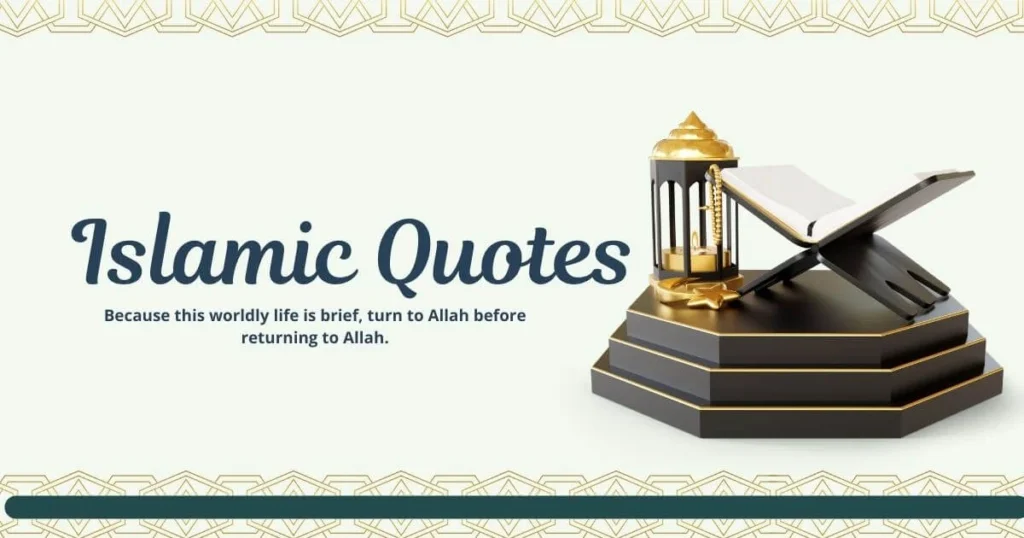
islamic quotes :

Islamic Quotes From Quran

وَلَقَدۡ خَلَقۡنَا ٱلۡإِنسَٰنَ وَنَعۡلَمُ مَا تُوَسۡوِسُ بِهِۦ نَفۡسُهُۥۖ وَنَحۡنُ أَقۡرَبُ إِلَيۡهِ مِنۡ حَبۡلِ ٱلۡوَرِيدِ

“And We have certainly created man, and We know what his soul whispers to him, and We are closer to him than [his] jugular vein.” 

– Quran 50:16

Best Islamic Quotes

إِنَّ مَعَ ٱلۡعُسۡرِ يُسۡرٗا

“Indeed, with hardship [will be] ease.”

 – Quran 94:6

Short Islamic Quotes

وَوَجَدَكَ ضَآلّٗا فَهَدَىٰ

“And He found you lost and guided [you].” 

– Quran 93:7

Heart Touching Islamic Quotes

وَمَن يَتَّقِ ٱللَّهَ يَجۡعَل لَّهُۥ مَخۡرَجٗا

“And whoever fears Allah – He will make for him a way out.” 

– Quran 65:2

Inspirational Islamic Quotes

 وَهُوَ مَعَكُمۡ أَيۡنَ مَا كُنتُمۡۚ

“And He is with you wherever you are.” 

– Quran 57:4

Motivational Islamic Quotes

وَٱللَّهُ خَيۡرُ ٱلۡمَٰكِرِينَ

“And Allah is the best of planners.” 

– Quran 8:30

Islamic Quotes About Patience

وَلَا تَاْيۡـَٔسُواْ مِن رَّوۡحِ ٱللَّهِۖ إِنَّهُۥ لَا يَاْيۡـَٔسُ مِن رَّوۡحِ ٱللَّهِ إِلَّا ٱلۡقَوۡمُ ٱلۡكَٰفِرُونَ

“And never give up hope of Allah’s Mercy. Certainly no one despairs of Allah’s Mercy, except the people who disbelieve.” 

– Quran 12:87

Beautiful Islamic Quotes

وَيَرۡزُقۡهُ مِنۡ حَيۡثُ لَا يَحۡتَسِبُۚ وَمَن يَتَوَكَّلۡ عَلَى ٱللَّهِ فَهُوَ حَسۡبُهُۥٓۚ إِنَّ ٱللَّهَ بَٰلِغُ أَمۡرِهِۦۚ قَدۡ جَعَلَ ٱللَّهُ لِكُلِّ شَيۡءٖ قَدۡرٗا

“And will provide for him from where he does not expect. And whoever relies upon Allah – then He is sufficient for him. Indeed, Allah will accomplish His purpose. Allah has already set for everything a [decreed] extent” 

– Quran 65:3

فَٱذۡكُرُونِيٓ أَذۡكُرۡكُمۡ وَٱشۡكُرُواْ لِي وَلَا تَكۡفُرُونِ

“So remember Me; I will remember you. And be grateful to Me and do not deny Me.”

 – Quran 2:152

قُلۡ إِنَّ صَلَاتِي وَنُسُكِي وَمَحۡيَايَ وَمَمَاتِي لِلَّهِ رَبِّ ٱلۡعَٰلَمِينَ

“Say, “Indeed, my prayer, my rites of sacrifice, my living and my dying are for Allah, Lord of the worlds.” 

– Quran 6:162

Share on >>

Share on facebook
Share on twitter
Share on linkedin
Share on skype

Islamic Quotes Read More »

What is Jihad in Islam

What Is Jihad In Islam

What is Jihad in Islam

What is Jihad in Islam ?

Many people misinterpret or misunderstand the word “jihad,” believing it to indicate war, which is entirely false in Islam. Let’s begin by understanding what Jihad means in Islam, its various forms, and much more in this article.

Jihad Meaning

In Islam, the word “jihad” refers to the effort to uphold morality. In Islam, the term “Jihad” refers to abstaining from wrongdoing, working towards self-improvement, teaching others about Islam, and imparting knowledge to others. It does not imply violence or senseless slaughter. In Islam, jihad entails fighting when faced with tyranny in the practice of one’s religion and danger to one’s life. Muslims are taught to flee oppressive environments, but they are also free to defend themselves if the oppressor assaults.

What does the Quran say about jihad?

The Holy Quran has numerous verses regarding jihad; below are a few of them:

أُذِنَ لِلَّذِينَ يُقَٰتَلُونَ بِأَنَّهُمۡ ظُلِمُواْۚ وَإِنَّ ٱللَّهَ عَلَىٰ نَصۡرِهِمۡ لَقَدِيرٌ

Permission [to fight] has been given to those who are being fought, because they were wronged. And indeed, Allah is competent to give them victory.

(QURAN 22:39)

وَقَٰتِلُواْ فِي سَبِيلِ ٱللَّهِ ٱلَّذِينَ يُقَٰتِلُونَكُمۡ وَلَا تَعۡتَدُوٓاْۚ إِنَّ ٱللَّهَ لَا يُحِبُّ ٱلۡمُعۡتَدِينَ

Fight in the way of Allah those who fight you but do not transgress. Indeed. Allah does not like transgressors.

(QURAN 2:190)

وَأَعِدُّواْ لَهُم مَّا ٱسۡتَطَعۡتُم مِّن قُوَّةٖ وَمِن رِّبَاطِ ٱلۡخَيۡلِ تُرۡهِبُونَ بِهِۦ عَدُوَّ ٱللَّهِ وَعَدُوَّكُمۡ وَءَاخَرِينَ مِن دُونِهِمۡ لَا تَعۡلَمُونَهُمُ ٱللَّهُ يَعۡلَمُهُمۡۚ وَمَا تُنفِقُواْ مِن شَيۡءٖ فِي سَبِيلِ ٱللَّهِ يُوَفَّ إِلَيۡكُمۡ وَأَنتُمۡ لَا تُظۡلَمُونَ

And prepare against them whatever you are able of power and of steeds of war by which you may terrify the enemy of Allah and your enemy and others besides them whom you do not know [but] whom Allah knows. And whatever you spend in the cause of Allah will be fully repaid to you, and you will not be wronged.

(QURAN 8:60)

۞وَإِن جَنَحُواْ لِلسَّلۡمِ فَٱجۡنَحۡ لَهَا وَتَوَكَّلۡ عَلَى ٱللَّهِۚ إِنَّهُۥ هُوَ ٱلسَّمِيعُ ٱلۡعَلِيمُ

And if they incline to peace, then incline to it [also] and rely upon Allah. Indeed, it is He who is the Hearing, the Knowing.

(QURAN 8:61)

وَمَا لَكُمۡ لَا تُقَٰتِلُونَ فِي سَبِيلِ ٱللَّهِ وَٱلۡمُسۡتَضۡعَفِينَ مِنَ ٱلرِّجَالِ وَٱلنِّسَآءِ وَٱلۡوِلۡدَٰنِ ٱلَّذِينَ يَقُولُونَ رَبَّنَآ أَخۡرِجۡنَا مِنۡ هَٰذِهِ ٱلۡقَرۡيَةِ ٱلظَّالِمِ أَهۡلُهَا وَٱجۡعَل لَّنَا مِن لَّدُنكَ وَلِيّٗا وَٱجۡعَل لَّنَا مِن لَّدُنكَ نَصِيرًا

And what is [the matter] with you that you fight not in the cause of Allah and [for] the oppressed among men, women, and children who say, “Our Lord, take us out of this city of oppressive people and appoint for us from Yourself a protector and appoint for us from Yourself a helper?”

(QURAN 4:75)

وَقَٰتِلُواْ فِي سَبِيلِ ٱللَّهِ ٱلَّذِينَ يُقَٰتِلُونَكُمۡ وَلَا تَعۡتَدُوٓاْۚ إِنَّ ٱللَّهَ لَا يُحِبُّ ٱلۡمُعۡتَدِينَ

Fight in the way of Allah those who fight you but do not transgress. Indeed. Allah does not like transgressors.

(QURAN 2:190)

وَٱقۡتُلُوهُمۡ حَيۡثُ ثَقِفۡتُمُوهُمۡ وَأَخۡرِجُوهُم مِّنۡ حَيۡثُ أَخۡرَجُوكُمۡۚ وَٱلۡفِتۡنَةُ أَشَدُّ مِنَ ٱلۡقَتۡلِۚ وَلَا تُقَٰتِلُوهُمۡ عِندَ ٱلۡمَسۡجِدِ ٱلۡحَرَامِ حَتَّىٰ يُقَٰتِلُوكُمۡ فِيهِۖ فَإِن قَٰتَلُوكُمۡ فَٱقۡتُلُوهُمۡۗ كَذَٰلِكَ جَزَآءُ ٱلۡكَٰفِرِينَ

And kill them wherever you overtake them and expel them from wherever they have expelled you, and fitnah is worse than killing. And do not fight them at al-Masjid al- Haram until they fight you there. But if they fight you, then kill them. Such is the recompense of the disbelievers.

(QURAN 2:191)

فَإِنِ ٱنتَهَوۡاْ فَإِنَّ ٱللَّهَ غَفُورٞ رَّحِيمٞ

And if they cease, then indeed, Allah is Forgiving and Merciful.

(QURAN 2:192)

وَقَٰتِلُوهُمۡ حَتَّىٰ لَا تَكُونَ فِتۡنَةٞ وَيَكُونَ ٱلدِّينُ لِلَّهِۖ فَإِنِ ٱنتَهَوۡاْ فَلَا عُدۡوَٰنَ إِلَّا عَلَى ٱلظَّـٰلِمِينَ

Fight them until there is no [more] fitnah and [until] worship is [acknowledged to be] for Allah. But if they cease, then there is to be no aggression except against the oppressors.

(QURAN 2:193)

Conclusion

Understanding what jihad is in Islam requires moving beyond simplistic assumptions and engaging in meaningful dialogue. By appreciating its true essence and diverse expressions, we can dispel harmful stereotypes and foster a more nuanced understanding of this complex term. Remember, the vast majority of Muslims strive for peace, justice, and self-improvement, embodying the true spirit of jihad in their daily lives.

Share on >>

Share on facebook
Share on twitter
Share on linkedin
Share on skype

What Is Jihad In Islam Read More »

Advantages of Learning Quran Online

Advantages Of Learning Quran Online

Advantages of Learning Quran Online

Advantages of Learning Quran Online

The Quran is the world’s most profound and unique book. It includes all of the lessons learned from human guidance that guarantee both how to live a prosperous life now and in the future.

However, children are not allowed to visit mosques regularly to learn the Quran in any country in the globe. Under these circumstances, parents and kids must discover an alternative method of regularly learning the Quran.It is possible to effectively learn the Quran online thanks to a variety of websites and online resources. Searching for websites and finding information has grown simpler thanks to current technologies.

A few benefits of learning Quran online are

  • Flexible Timings

Flexibility with regard to time is crucial for online Quran classes. Going someplace at a certain time to learn the Quran is very tough if you have a hectic schedule and many responsibilities. You can learn without being constrained by your daily schedule or having to travel outside to attend classes when you use online tutors. All time zones have access to teachers around-the-clock. Online Quran instruction is available to you whenever it is convenient for you. Online access to course materials is also available.

  • Availability Of Qualified And Proficient Tutors

The Quran is written in classical Arabic, as far as we are aware. Regular Arabic is not the same as classical Arabic. It takes a competent teacher to acquire and comprehend the language. It is simple to get in contact with highly qualified and competent teachers thanks to the internet platform. The majority of people reside in places where it is quite challenging to locate a qualified Quranic teacher. Their ability to select the best teacher without difficulty is really advantageous. You can study the Quran at home in pairs with knowledgeable instructors, and you can get prompt clarification on any doubts you may have regarding religion in general.

For many kids, studying in groups is more effective. Some students read better by themselves. Children’s communication with teachers and other students is enhanced in one-on-one lessons. The ability to focus better when studying the Quran is one of the main benefits of one-on-one instruction. The instructor will work solely with you, honing your Tajweed and Quran recitation skills.

  • Affordability

Growing tuition costs have always been an issue. If you wish to avoid spending an excessive amount of money on Quran study, online Quran academies can be useful. There aren’t any form of travel expenses. All that is needed is the internet to be available. Hiring a Quran teacher can be highly expensive in the west; so, the online approach is a very practical and less expensive substitute.

  • Consistency And Punctuality

You can learn more effectively in some respects if your teacher is competent and experienced. There is no chance of inconsistency because of the effectiveness of the online approach. By choosing the preferred time, you get to choose the teacher. Using the online Quran learning method allows you to learn quickly. The lesson will be prepared for you by your teacher. Taking online Quran classes is a simple and quick approach to learn and read Tajweed.

  • Convenient Learning Environment

Nothing is more handy for you than studying in comfort at home. You can read peacefully at home or in your neighborhood coffee shop. Compared to the conventional approach to memorizing the Quran, this method is more practical. Your family won’t have to worry, and you won’t need to drive anywhere else. You have a lot of alternatives when learning the Quran online, including the ability to choose your own schedule. Many people are motivated to learn online by this excellent and convenient element in general.

Conclusion

Learning Quran online is a revolution in accessibility and individualized education, not merely a fad. Regardless of your location, schedule, or preferred method of learning, you may start a life-changing Quranic knowledge journey by adopting this cutting-edge technique. Thus, initiate the process, delve into the virtual realm, and open the wealth of knowledge concealed behind the pages of the Quran.

FAQS:

What are the benefits of the Quran being available to everyone on the internet?

Accessibility: Makes the Quran available globally, overcoming geographical and financial barriers.

Convenience: Allows study anytime, anywhere, on various devices.

Resources: Offers diverse resources like translations, translations, tafseers, and recitations.

Community: Facilitates online learning communities and discussions.

What are the blessings of learning the Quran?

Spiritual connection: Deepens your relationship with God through understanding and reflecting on His words.

Guidance and morality: Provides life lessons and promotes ethical behavior.

Inner peace and comfort: Offers solace and tranquility during challenging times.

Increased knowledge: Expands your understanding of Islam and its rich history.

Reward in the afterlife: Considered a meritorious act with blessings in this life and the hereafter.

Does listening to Quran have benefits?

Calming effect: Recitation can soothe the soul and reduce stress.

Memorization: Listening aids in memorization and internalizing Quranic verses.

Reflection and contemplation: Encourages deeper understanding through focused listening.

Spiritual connection: Can be a powerful way to connect with the divine message.

Share on >>

Share on facebook
Share on twitter
Share on linkedin
Share on skype

Advantages Of Learning Quran Online Read More »

Scroll to Top

Get A Free 3 Days Trial

Contact Form