Qirat Quran Online

admin

Quran Classes for kids

What Is Itikaf

Quran Classes for kids

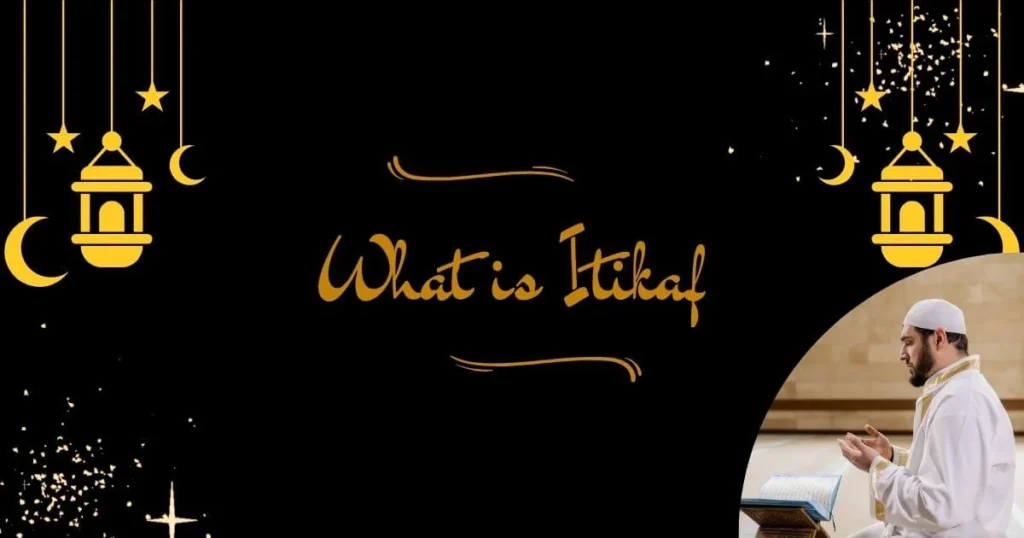
What is Itikaf ?

Itikaf Meaning In Islam

Itikaf is the practice of secluding oneself and committing all of your time to the worship of Allah (SWT) in a mosque or at home. During the final ten days of Ramadan, sitting in Itikaf is recommended by Sunnat-al-Muaqidah, or Sunnah that should be followed. Itikaf can be started when the sun sets on the 20th of Ramadan and ends when the Eid moon is visible. Whether the month of Ramadan lasts for 29 or 30 days, the Sunnah remains unchanged.Any other time of year, for any length of time, is acceptable for sitting in Itikaf. Mustahib is the type of Itikaf that is optional.

How To Do Itikaf ?

Men must perform Itikaf at a Masjid, where they are able to offer all five prayers in unison. If they have the appropriate facilities and seclusion.

Itikaf For Females

Females can perform in masjids as well. If not, they can practice it at home by finding a quiet area where they can meditate without being bothered.

Itikaf Rules

Eating, drinking, sleeping, or obtaining necessities is typical. Providing food and drink for the Itikaf attendees is incredibly fulfilling.

Ibadah

You can perform any act of worship, known as Ibadah, in Itikaf. Here are some good deeds that have been done:

  • Recite Al Quran
  • Recite Darood
  • Read about Islam
  • Make Dua
  • Talk/think about the good and righteous things
  • Do Taubah (repentance)

Leaving your place of Itikaf

If you have to use the lavatory or take a Ghusl (purification bath), fetch something for yourself, participate in the Jummah prayer, or are a Muazzin and have to give Adhan, you can leave your meditation spot.

Things to avoid

  • Foul talking
  • Buying or selling things in the Masjid
  • Having a quarrel or fight with someone
  • Disturbing other people in Itikaf around you
  • Bringing in too many items

Things that nullify Itikaf

  • Going out for some need and staying even after the need is addressed
  • Leaving your place without any reason
  • Having unwanted company while you are in Itikaf

Is Itikaf Compulsory?

In Islam, itikaf is not a required or obligatory act. Itikaf is a Sunnah (recommended) act of worship, although depending on its nature, it may become required in particular circumstances (e.g., vowing to perform itikaf makes it mandatory).

Do Leaving the Mosque Nullify Itikaf?

A person in itikaf is not allowed to leave the mosque where he is in itikaf unless it is for an essential purpose, like getting food or drink if no one else is available to bring it to him or to relieve a need like urinating or defecating. This also applies to going outside for medical attention or other essential human needs.

Share on >>

What Is Itikaf Read More »

Quran Classes for kids

When Is Laylatul Qadr 2024

Quran Classes for kids

When is Laylatul Qadr 2024 ?

As the holy month of Ramadan draws near, Muslims throughout the world get ready for the much awaited Laylatul Qadr, commonly referred to as the “Night of Power” or “Night of Destiny,” in addition to fasting and introspection. More than a thousand months of devotion are seen to be worth it for this one night of great significance. Even if we don’t know the precise date, knowing when Laylatul Qadr falls in 2024 can help us make the most of its spiritual advantages.

The Significance of Laylatul Qadr

The night that the Prophet Muhammad (peace be upon him) received the first verses of the Quran is commemorated on Laylatul Qadr. It is regarded as the holiest night of the year, when people connect with Allah, pray more intensely, and ask for forgiveness. In order to maximize their blessings and good acts during this night, Muslims work hard in the hopes of receiving great blessings and prizes.

Numerous Hadiths and Ayahs from the Quran discuss the significance of this auspicious night.

On this night, the Holy Quran was first sent down from heaven. The following Ayahs of the Quran also make this clear:

“Verily, We have sent it (this Qur’an) down in the night of Al-Qadr (Decree).”

(Surah Al-Qadr 97:1)

“Indeed, We sent it down during a blessed night.”

(Surah Dukhan 44:3)

“Ramadan is the (month) in which was sent down the Quran, as a guide to mankind, also clear (signs) for guidance and judgment (between right and wrong).”

(Surah Baqarah 2:185)

What Day Is Laylatul Qadr 2024?

In contrast to other Islamic celebrations that follow the lunar calendar, the precise date of Laylatul Qadr is still unknown. This heightens its enigmatic quality and promotes genuine commitment throughout the final ten nights of Ramadan. Still, customs and academic views provide direction.

When Is Laylatul Qadr 2024 In Usa?

Itikaf can be started when the sun sets on the 20th of Ramadan and ends when the Eid moon is visible. The majority of academics concur that Laylatul Qadr occurs during the final ten nights of Ramadan, with the odd nights—the 21st, 23rd, 25th, 27th, and 29th—having a higher probability.

It is narrated by Aishah (R.A.)

“When the last ten nights began (of Ramadan), Allah’s Messenger (S.A.W.) kept awake at night (for prayer and devotion), wakened his family, and prepared himself to observe prayer (with more vigour).”

(Sahih Muslim: 1174)

Odd Nights Of Laylatul Qadr 2024

The Islamic calendar predicts that Ramadan will start in the evening of March 23rd, 2024, and end in the evening of April 21st, 2024, subject to moon sighting. Thus, the final ten nights of Ramadan would occur from April 11 to April 20. Therefore, any of the following unusual nights could be Laylatul Qadr in 2024.

  • April 13th: 21st night of Ramadan
  • April 15th: 23rd night of Ramadan
  • April 17th: 25th night of Ramadan
  • April 19th: 27th night of Ramadan, considered the most likely night by many scholars
  • April 21st: 29th night of Ramadan

Preparing for Laylatul Qadr

During the odd nights of the final ten days of Ramadan, one might observe the following activities both individually and collectively:

  • Recitation of Holy Quran
  • Praying Nafl after Taraweeh Prayer
  • Remembering Allah (also known as Dhikr)
  • Making Dua (supplication) for yourself, your loved ones and the Muslim Ummah
  • Reading books of Hadeeth to learn about Sunnahs of Prophet Mohammad (S.A.W.)
  • Reading Tafseer of Quran
  • Giving charity Sharing blessings with those in need, amplifying the spirit of the holy month.

Conclusion

Although it is useful to know the precise date of Laylatul Qadr, the real significance is to practise authentic devotion and heightened prayer during the final ten nights of Ramadan. Regardless of the exact day, we can make the most of this auspicious night by concentrating on spiritual development, asking for forgiveness, and strengthening our relationship with Allah.

FAQS:

Is there an exact date for Laylatul Qadr?

No, the precise date of Laylatul Qadr is unknown. Although some people think it occurs on the 27th of Ramadan, the precise night is still unknown. Ramadan’s blessing is that you can pursue your reward during the course of the last 10 days.

What day is most likely Laylatul Qadr?

The majority of Muslims concentrate on the final ten odd-numbered nights of Ramadan (the 21st, 23rd, 25th, 27th, and 29th), with many observing the 27th based on some narrations, however there is no clear-cut explanation. In the end, any of these evenings might be Laylatul Qadr.

What is the 27th day of Ramadan?

Simply put, the 27th day of the Islamic month of Ramadan is known as the 27th day of Ramadan. The Gregorian calendar date it falls on, however, varies annually and is decided by moonsighting each year according to the lunar calendar.

Is Laylatul Qadr just one day?

Indeed, it is thought that Laylatul Qadr occurs on a single night during the final ten nights of Ramadan. Nonetheless, a lot of Muslims exercise heightened devotion during these 10 nights in order to boost the likelihood that they will benefit from it.

Share on >>

When Is Laylatul Qadr 2024 Read More »

Quran Classes for kids

Dhul Hijjah At Qirat Quran Online

Quran Classes for kids

Dhul Hijjah At Qirat Quran Online :

What Is Dhul Hijjah?

Like the final ten nights of Ramadan, these ten days are packed with chances to receive rewards; there are no days in the year that Allah loves more than these.

The Prophet (SAW) said

“No good deeds done on other days are superior to those done on these (first ten days of Dhul Hijjah).” Then some companions of the Prophet (SAW) said, “Not even jihad?” He (SAW) replied, “Not even Jihad, except that of a man who does it by putting himself and his property in danger (for Allah’s sake) and does not return with any of those things.”

Sahih Al Bukhari (Book 13, Hadith 18)


To make the most of these fortunate days, consider the following steps:

Dhul Hijjah Fasting

For every Muslim who is not performing the Hajj this year, it is recommended that they fast for the first nine days of Dhul-Hijjah. Among the best deeds is fasting.

The Prophet (SAW) said

“There is a gate in Paradise called Ar-Raiyan, and those who observe fasts will enter through it on the Day of Resurrection and none except them will enter through it. It will be said, ‘Where are those who used to observe fasts?’ They will get up, and none except them will enter through it. After their entry the gate will be closed and nobody will enter through it.”

Sahih al-Bukhari (Book 30, Hadith 6)


Dhul Hijjah 2024 Fasting

Since the first ten days of Dhul-Hijjah are the most fortunate of the year, they present us with an ideal chance to improve our ibaadah (worship) of Allah.

The Messenger of Allah (SAW) said

“Whoever observes fast for a day in the way of Allah, Allah will remove his face from the Hell to the extent of seventy years’ distance.” 

(Saheeh Muslim)


Give Udhiya (Qurbani)

Sacrificing a livestock animal on Eid ul-Adha is a wonderful way to increase your closeness to Allah (SWT). This brings the Prophet Ibrahim’s sunnah (AS) back to life. He was prepared to give up everything for the sake of Allah, and he offered his cherished son Ismail as a sacrifice in order to show his complete submission to Allah’s demands.

Eid ul-‘Adha presents a special chance for us to observe the Prophet’s (PBUH) sunnah and engage in a worship that is less common among us: offering sacrifices for Allah’s sake.

You must refrain from doing the following two things until after the sacrifice:

  • Don’t trim your nails short.
  • Don’t get your hair chopped.

Prophet Muhammad (PBUH) is reported to have said:

“When any one of you intends to sacrifice the animal and enter in the month of Dhul-Hijjah, he should not get his hair cut or nails pared till he has offered his sacrifice.”

(Saheeh Muslim)


Increase in Dhikr and Good Deeds

Our Prophet (PBUH) said:

“There are no days that are greater before Allah or in which good deeds are more beloved to Him, than these ten days, so recite a great deal of tahleel, takbeer and tahmeed during them.

(Ahmad)


  • Tahmeed: Al-hamdu Lillah (All praises be to Allah)
  • Tahleel: Laa ilaha ill-Allah (There is no god but Allah)
  • Tasbeeh: Subhaan-Allah (Glory be to Allah)

Another way to recite the takbeer is as follows:

Allahu akbar, Allahu akbar, laa ilaaha ill-Allah, Allahu akbar, wa lillaah il-hamd.


“Allah is Most Great, Allah is Most Great, there is no god but Allah; Allah is Most Great and to Allah be praise.”

The Companions were reputed to recite the takbeer on a daily basis. Let us emulate them and inspire others to recite the takbeer as a declaration of Allah’s magnificence and as an act of worship.

Make Dua & Fast on the Day of Arafah

The most significant day of the Hajj is the Day of Arafat. The Hujjaj, or people performing the hajj, are in a continuous state of dua during this time, and if their prayers are accepted, they will be pardoned for all of their previous sins. There are still ways for us to make the most of today and forgive those of us who are not part of the hujjaj.

Fasting on the Day of Arafah

Our beloved Prophet Muhammad (PBUH) said:

“Fasting on the Day of ‘Arafah absolves the sins for two years: the previous year and the coming year.”

(Saheeh Muslim)


Making Dua

The Prophet (PBUH) said:

“The best of supplications is the supplication of the Day of Arafah. And the best of what I and the Prophets before me have said is:

لَا إِلهَ إِلَّا اللهُ وَحْدَهُ لَا شَرِيكَ لَهُ، لَهُ الْمُلْكُ وَلَهُ الْحَمْدُ وَهُوَ عَلَى كُلِّ شَيْءٍ قَدِيرٌ


‘None has the right to be worshiped but Allah, Alone, without partner, to Him belongs all that exists, and to Him belongs the Praise, and He has power over all things.’

(Tirmidhi)

The Importance of Donating During these Days

Not only are the first ten days of Dhul-Hijjah Allah’s most cherished, but He also wants to be worshiped on these days, thus we should make additional effort to do good deeds during these days.

Ibn Abbas reported that the Prophet (PBUH) said,

‘There are no days in which righteous deeds are more beloved to Allah than in these (ten) days’

[Sunan Ibn Majah]


During the first ten days of Dhul Hijjah, even small deeds like taking care of your parents, smiling in front of other Muslims, and supporting your family become increasingly significant.

The final ten nights of Ramadan are when many of us give the most charity (sadaqah), but the first ten days of Dhul Hijjah are equally important! You should make the most of this chance to increase your reward for a good deed.

The Messenger of Allah (pbuh) said that Allah (SWT) says in a hadith qudsi:

‘Spend (on charity), O son of Adam, and I shall spend on you.’


These 10 blessed days are an amazing time to give to charity because all the rewards you receive from giving sadaqah or paying your Zakat will be multiplied many, many times over.

The Prophet (PBUH) said,

“Charity does not decrease wealth.”

[Saheeh Muslim]


When Is Dhul Hijjah 2024 ?

The first ten days of Dhul Hijjah 2024 begin on June 7, 2024. The ninth of Dhul Hijjah (Day of Arafah) will be on June 15, 2024, and the tenth of Dhul Hijjah (Eid al Adha) will be on June 16, 2024, based on the sighting of the moon.

Conclusion

Your good activities during this period are abundantly rewarded by Allah (SWT), who will warmly accept them. Because He likes these deeds, He exhorts us to help the needy and provide charity. One of the rare deeds for which we are permitted to experience jealousy is giving sadaqah; this serves as motivation for us to contribute more.

Share on >>

Dhul Hijjah At Qirat Quran Online Read More »

Quran Classes for kids

What is Salah

Quran Classes for kids

What is Salah? :

What Does Salah Mean ?

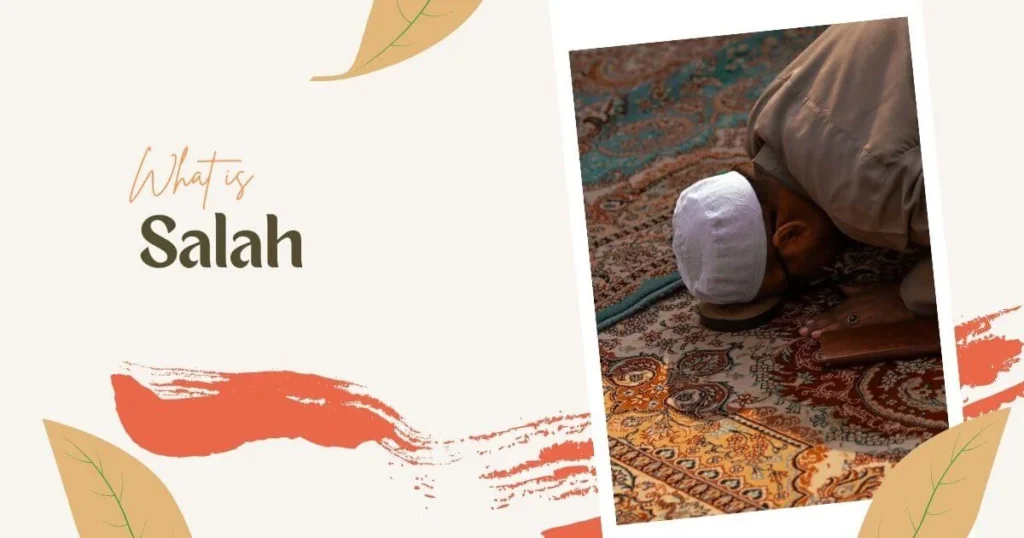
The second most significant pillar of Islam, after the shahada (testimony of faith), is the salah, a unique form of devotion. It is a type of prayer that is required to be done five times a day and was taught to us by Prophet Muhammad (peace be upon him). It was revealed in the Holy Qur’an.

Allah emphasizes the value of prayer in numerous verses throughout the Holy Quran. Here are two such verses:

But those who hold fast to the Book and establish prayer – indeed, We will not allow to be lost the reward of the pious.

Qur’an – Chapter 7, Verse 170


Recite, [O Muhammad], what has been revealed to you of the Book and establish prayer. Indeed, prayer prohibits immorality and wrongdoing, and the remembrance of Allah is greater. And Allah knows that which you do.

Qur’an – Chapter 29, Verse 45


There are several bodily actions involved in the salah, including standing, bowing, prostrating, and sitting. Along with several dua, it also entails the reading of Arabic verses from the Holy Quran (supplications).

Every time a Muslim offers a prayer, they should face the Kaba, the Sacred House of Allah in Makkah. The purpose of these gestures, incantations, and bodily motions is to demonstrate humility and surrender to Allah.

Why do Muslims Pray Salah?

Muslims pray because they believe that worshiping Allah alone is the ultimate goal of life, which is why they pray at all. One of the first commands that Allah gave to Muhammad was to do salah (worship) as soon as he became a prophet.

The Holy Qur’an, according to Allah Almighty, states that the purpose of human creation was solely: to worship Him.

And I (Allah) created not the jinns and humans except they should worship Me (Alone).

Qur’an – Chapter 51, Verse 56


The second pillar of Islam, the salah, is an essential component of a Muslim’s faith. The salah is one of the main distinctions between a Muslim and a non-Muslim.Our beloved Prophet (peace be upon him) said:

“Between a man and polytheism and disbelief there stands his neglect of the prayer.”


Why Do Muslims Pray 5 Times a Day?

This is a frequently asked issue, and many people are unaware of the true origin of the number five. One of the first things taught to Muhammad (Peace Be Upon Him) when he became a Prophet at forty years old was how to pray. Allah sent Gabriel, also known as Jibreel, the angel, to instruct him in the sacraments of salah and wudu.

Eleven years after prophetic beginnings, Muhammad (Peace Be Upon Him) underwent a miracle voyage to the first heaven, escorted by the angel Gabriel. Allah gave him and the Muslims the special mandate to pray five times a day during this occasion. The Holy Qur’an describes this incident, and we also have reliable accounts from the Prophet (Peace Be Upon Him) stating that he made this travel.

Isra and Mi’raj is the complete account of the Prophet’s flight into paradise. We won’t get into the specifics of the long story here. But I will tell you the last portion of the story, the part where it says that you must pray five times a day. The Muslims would offer salah till that point in history, but there was no set number of times that was legislated.

Benefits of Salah

  • We can communicate with Allah, our Creator and Sovereign Lord, directly through salah. Allah describes it as a conversation and exchange between Himself and His servant in a Hadith Qudsi. We can communicate directly with Allah through salah, bypassing any middlemen and intercessors. It gives us respect and does away with middlemen who devalue our spiritual worth.
  • Since it distinguishes believers from non-believers, salah is the hallmark of faith.
  • Salah is a beacon of light that guides us through the difficulties and ups and downs of life. It keeps us from giving in to temptations that lead us astray from our true calling in life. When we rise from the dead in the next world, it will be because of Salah’s effects that the light will radiate from our front, rear, right, and left, while others stumble around in fear and terror.
  • Salah promises us heaven, sparing us the terrible destiny of despots such as Pharaoh, Nimrod, Qarun, Haman, and the wicked, who shall burn in hellfire for all eternity.
  • As long as we abstain from the most significant sins, salah serves as a tool for atonement and redemption, helping to erase the little transgressions and errors we commit every day.
  • Every step we take to enter the mosque for salah contributes to the eradication of sin and the elevation of our spiritual standing in Allah’s eyes.
  • Teaching us to pray at the designated time also aids in time management, mindfulness, and productivity.
  • Salah’s thoughtful performance keeps us from engaging in filthy or offensive behavior, which aids in the cleansing of our morals and character.
  • Salah reminds us of our ultimate position before Allah on the Day of Reckoning, which instills in us a sense of accountability.
  • Salah is a spiritual lift that strengthens our spirituality and guides us through the choppy waves of everyday life, which is full of hardships.

It makes sense that the Prophet (Peace And Blessings Be Upon Him) considered Salah to be the one thing in this world that brought him the most joy.

Conclusion

It fortifies your faith and motivates you to carry out more charitable activities. Muslims become closer to one another as a result of it, particularly when they pray together in a masjid. It is also a great way to relieve tension and anxiety.

Share on >>

What is Salah Read More »

Quran Classes for kids

How Does Ramadan Work

Quran Classes for kids

How Does Ramadan Work :

Muslims throughout the world begin a holy month of introspection, camaraderie, and personal development when the crescent moon appears on the horizon, signalling the start of Ramadan. Although many people know that fasting is the main practice of Ramadan, there is more to this holiday than just refraining from food and liquids. It’s an intricate tapestry woven with national customs, religious importance, and individual behaviors.

The Foundation of Fasting

The practice of fasting over the full month of Ramadan, which is observed from sunrise to sunset, is at the center of the holiday. All Muslims who are in good health are required to practice it, with the exception of those who are exempt because of their age, health, or travel history. Muslims refrain from eating, drinking, or smoking at this time, and they also refrain from having sex.

Beyond the Basics

Although the fundamental principle of Ramadan fasting is abstinence, it goes beyond only suffering hunger. It’s a multifaceted approach that supports:

Spiritual Connection:

Muslims strive to develop self-control, humility, and a closer relationship with Allah by forgoing earthly pleasures. It’s a time for heightened introspection on spiritual development, Quran recitation, and prayer.

Empathy and Charity:

Muslims who fast are able to feel the same hunger sensations as those who are less fortunate, which promotes compassion and empathy. This frequently translates into more generous donations to charities and deeds of charity to the less fortunate.

Community and Sharing:

Fasting during Ramadan is more than just a personal habit. Shared meals during the day (Iftar) and before dawn (Suhoor) allow families and communities to come together, mingle, and build relationships.

The Rhythm of a Day

Ramadan fasting establishes a distinct daily schedule:

Suhoor:

Muslims have a pre-dawn meal to prepare their bodies for the day’s fast before sunrise. This lunch is light but filling, providing both protein and complex carbs to keep you feeling energised.

Fajr Prayer:

The Fajr prayer, which initiates the fast, also heralds the start of a day devoted to introspection and spiritual activities.

Daily Life:

People deliberately abstain from food, drink, and other forbidden activities while working and going about their everyday lives. This is the moment to practise more self-control and awareness.

Iftar:

The happy occasion of breaking the fast approaches as the sun sets. Iftar is a time for celebration and blessing-sharing with loved ones, and it is typically shared with family and friends.

Taraweeh Prayers:

Muslims can memorize the entire Quran throughout the month of Ramadan by participating in special night prayers called Taraweeh. These group prayers promote spiritual fulfilment and a sense of unity.

Beyond the Fast

Although the main focus of Ramadan is fasting, there is more to this holy month. Participating in lectures, reciting the Quran, increasing charitable deeds, and fortifying family ties are all essential aspects of the experience.

Conclusion

Knowing how Ramadan works is not just about committing rules to memory. It’s about committing to a life-changing path of discipline, community, and spiritual development. Through an exploration of its meaning, customs, and applications, we can comprehend the actual spirit of this auspicious month and unleash its possibilities for both personal and societal welfare.

FAQS:

Can you listen to music during ramadan?

All year round, listening to music is prohibited, but during Ramadan it is even more so, making it a greater sin.

Beginning of Ramadan 2024?

The exact start date of Ramadan 2024 may vary somewhat based on location and moon sighting, although it is generally anticipated to commence in the evening of Sunday, March 10, 2024.

When is the end of Ramadan 2024?

The conclusion date is determined by the crescent moon sighting, which marks the beginning of Shawwal, the month that follows Ramadan. It’s predicted to occur on Tuesday, April 9, 2024, with Eid al-Fitr festivities taking place on April 10.

When Ramadan ends?

According to the Islamic calendar, Ramadan officially finishes at sundown on the last day of the month, when Eid al-Fitr begins. Until the new moon is sighted—usually declared by local religious authorities—this precise date cannot be established.

Share on >>

How Does Ramadan Work Read More »

Quran Classes for kids

La Hawla Wala Quwwata Illa Billah Meaning

Quran Classes for kids

La Hawla Wala Quwwata Illa Billah Meaning :

Meaning Of La Hawla Wala Quwwata Illa Billah

There is a single fundamental fact that unites all Muslims: nothing in this world can occur without Allah’s will.

This is one of Islam’s core beliefs, and everyone who utters the common zikir understands it.

la hawla wala quwwata meaning


“la hawla wala quwwata illa billah”.


There is no power and no strength except with Allah.


Islamic Well Wishes


It’s a brief but powerful phrase, Subhanallah.This claim—often referred to as Hawqala—is mentioned in more than ten hadith volumes where Prophet Muhammad (SAWS) instructs his disciples to recite this dhikr on a daily basis.

Many scholars have rated the authenticity of these hadiths as Sahih, or authentic, which is why we should try to live by this saying every day. 

What Does La Hawla Wala Quwwata Mean?

la hawla wala quwwata illa billah (6 words) or you may recall la hawla wala quwwata illa billahil aliyyil azim, which is a little lengthier form. It is simple to recall and has a smooth pronunciation thanks to its rhythmic tone.

LA HAWLA WALA QUWWATA IN ARABIC

لا حَوْلَ وَلا قُوَّةَ إِلا بِالله

la hawla wala quwwata illa billah arabic Transliteration

la hawla wala quwwata illa billah

La Hawla Wala Quwwata Illa Billah Meaning In English

There is no might nor power except with Allah.

HADITH MENTIONING LA HAWLA WALA QUWWATA

The following Hadiths describe the Prophet (SAWS) saying this phrase:

It was narrated that Abu Musa said: ‘The Prophet (SAWS) heard me saying: ‘La hawla wa la quwwata illa billah (there is no power and no strength except with Allah).’ He said: ‘O ‘Abdullah bin Qais! Shall I not tell you of a word which is one of the treasures of Paradise?’ I said: ‘Yes, O Messenger of Allah.’ He said: ‘Say: La hawla wa la quwwata illa billah (There is no power and no strength except with Allah).’”

Say During Adhan

It was narrated that ‘Alqamah bin Waqqas said: “I was with Mu’awiyah when the Mu’adhdhin called the Adhan. Muawiyah said what the Mu’adhdhin said, but when he said: ‘Hayya ‘alas-salah (come to prayer),’ he said: ‘La hawla wa la quwwata illa Billah (There is no power and no strength except with Allah);’ and when he said: ‘Hayya ‘alal-falah (come to prosperity),’ he said: ‘La hawla wa la quwwata illa Billah (There is no power and no strength except with Allah).’ After that he said what the Mu’adhdhin said, then he said: ‘I heard the Messenger of Allah (ﷺ) saying exactly like that.’”

Dua When Leaving The House

Anas (May Allah be pleased with him) reported: Messenger of Allah (ﷺ) said, “Whoever says (upon leaving his house): ‘Bismillah, tawakkaltu ‘alallah, wa la hawla wa la quwwata illa billah [I begin with the Name of Allah; I trust in Allah; there is no altering of conditions but by the Power of Allah],’ it will be said to him: ‘You are guided, defended and protected.’ The devil will go far away from him”. [Abu Dawud, At-Tirmidhi and An- Nasa’i]. Abu Dawud reported it with this addition: “One devil will say to another: ‘How can you deal with a man who has been guided, defended and protected?”

LA Hawla Wala Quwwata Illa Billah Benefits

  • Recognising that all power and strength originate from Allah urges believers to rely on Him in all aspects of life.
  • In times of adversity or weakness, reciting this phrase reminds believers of Allah’s ultimate might and brings comfort.
  • Repeating this sentence reinforces one’s faith and trust in Allah’s authority over all affairs.

La Hawla Wala Quwwata Illa Billahil Aliyyil Azim


لَا حَوْلَ وَلَا قُوَّةَ إِلَّا بِاللَّهِ الْعَلِيِّ الْعَظِيم


There is no power and no strength except with Allah.

Share on >>

La Hawla Wala Quwwata Illa Billah Meaning Read More »

Quran Classes for kids

Jumma Mubarak Quotes

Quran Classes for kids

Jumma Mubarak Quotes :

Deep Jumma Mubarak Quotes

  • “May Allah shower His countless blessings on you and your family on this blessed day of Jumma.”
  • “Jumma Mubarak! May Allah’s mercy and blessings be with you today and always.”
  • “May Allah accept our prayers and guide us to the right path. Jumma Mubarak!”

New Jumma Mubarak Quotes

  • “May Allah bless you with endless happiness, fulfill all your dreams, and aspirations, and respond to your dua’s. Jumma Mubarak!”
  • “Jumma Mubarak! May Allah’s blessings and grace be with you and your family.”
  • “May Allah forgive our sins and grant us Jannah. Jumma Mubarak!”

Beautiful Jumma Mubarak Quotes

  • “May Allah provide us with the best in this world and the next. “Jumma Mubarak!”
  • “May Allah keep you in His mercy and protection.” “Jumma Mubarak!”
  • “May Allah transform all of your bitter tears into tears of delight. Jumma Mubarak!”

Jumma Mubarak Quotes In English

  • “May Allah remove all the difficulties in your life. Jummah Mubarak!”
  • “May Allah accept your Dua and turn your Dreams into reality. Jumma Mubarak!”
  • “May Allah brighten your life with endless blessings. Jumma Mubarak!”

Islamic Jumma Mubarak Quotes

  • “May Allah turn all your private prayers into public miracles. Jumma Mubarak!”
  • “May Allah make the upcoming days blessed for us. Jumma Mubarak!”
  • “May Allah continue to respond to your Dua’s. Jumma Mubarak!”

Jumma Mubarak Quotes And Blessings

  • “May Allah unite us in Jannah with those whom we love. Jumma Mubarak!”
  • “May Allah remove all your pains and bring you happiness. Jumma Mubarak!”
  • “May Allah guide, protect, and strengthen our affairs. Jumma Mubarak!”

Make daily habit of reading adkar sabah

Heart Touching Deep Jumma Mubarak Quotes

  • “May Allah accept every little Dua we make. Jumma Mubarak!”
  • “May Allah ease your hardship and bring you happiness. Jumma Mubarak!”
  • “May Allah bless you with endless happiness, fulfill all your dreams, and aspirations, and respond to your dua’s. Jumma Mubarak!”

special jumma mubarak quotes

  • “May Allah bless and reward us with goodness and guide us to the right path. Jumma Mubarak!”
  • “May Allah ﷻ open His doors of Mercy and Forgiveness for all of us. Jumma Mubarak!”
  • “May Allah make our iman strong and answer all our dua’s. Jumma Mubarak!”

English New Jumma Mubarak Quotes

  • “As Friday glows in the hearts of Muslims, may you be one of those who receive the peace and benefits of Friday prayers. “Jumma Mubarak!”
  • “May Allah take away our burdens and bless us with happiness. “Jumma Mubarak!”
  • “May Allah forgive us and grant us Jannatul-Firdaus. Jummah Mubarak!”

Friday Beautiful Jumma Mubarak Quotes

  • “May Allah turn all your painful tears into tears of joy. Jumma Mubarak!”
  • “May Allah fulfill our dreams and remove our sadness. Jumma Mubarak!”
  • “May Allah accept all our good deeds and reward us with Jannah. Jumma Mubarak!”

Share on >>

Jumma Mubarak Quotes Read More »

Quran Classes for kids

Jumma Mubarak Wishes

Quran Classes for kids

jumma mubarak wishes :

Jumma Mubarak Wishes In English

  • Happy Jumma Mubarak! May you be showered with blessings from Allah on Friday, and may He accept your good deeds and prayers on this sacred day.
  • I wish you a happy and contented Jumma. May you and your family be showered with Allah’s goodness and may you brim with appreciation.
  • May the love and guidance of Allah envelop you on this auspicious day. To you and your dear ones, Jumma Mubarak.
  • Jumma Mubarak! On this holy day, may your prayers be heard, and may your faith grow. May the blessings of Allah constantly surround you.
  • As the sun rises on this beautiful Friday, may your day be filled with peace, joy, and the countless blessings of Allah. Jumma Mubarak!

Beautiful Jumma Mubarak Wishes

  • May this Jumma bring you serenity, forgiveness, and the grace of Allah. Wishing you a peaceful and blessed Friday.
  • Jumma Mubarak! May your heart be lightened, your burdens lifted, and your prayers answered on this sacred day.
  • On this blessed Jumma, may Allah’s mercy envelop you, and may your faith be a source of strength. Jumma Mubarak to you and your family.
  • May your Friday be filled with the tranquility of prayer and the joy of worship. Jumma Mubarak to you and your loved ones.
  • Jumma Mubarak! May your deeds be accepted, your sins forgiven, and your heart filled with the peace that comes from worshiping Allah.

Jumma Mubarak Wishes Quotes

  • Wishing you a Jumma filled with blessings, forgiveness, and the sweetness of Allah’s love. Jumma Mubarak to you and your family.
  • As the congregations gather for Friday prayers, may your heart find solace, and your soul be uplifted. Jumma Mubarak!
  • Jumma Mubarak! May this Friday bring you closer to Allah, and may your prayers be a source of peace and fulfillment.
  • On this holy day of Jumma, may your faith be unwavering, your prayers sincere, and your heart filled with the love of Allah. Jumma Mubarak!
  • Jumma Mubarak! I pray that Allah will guide you throughout the day and that His kindness and knowledge will be evident in everything you do.

Best Jumma Mubarak Wishes

  • I pray that your prayers will be answered on this auspicious day of Jumma and that Allah’s blessings will accompany you all this week. Jumma Mubarak!
  • Jumma Mubarak! May your prayers be a source of strength and may the serenity of this holy day fill your heart with calm.
  • May Allah’s love fill your heart with delight, pardon your sins, and revive your faith on this auspicious Friday. Jumma Mubarak!
  • Jumma Mubarak! May your day be filled with the light of prayer, the warmth of faith, and the blessings of Allah.
  • Wishing you a Jumma filled with blessings and the guidance of Allah. May your heart find solace in the remembrance of the Almighty.

Jumma Mubarak Wishes In English Text

  • Jumma Mubarak! May your Friday be filled with moments of reflection, gratitude, and the acceptance of your prayers.
  • On this blessed day of Jumma, may Allah’s mercy overshadow you, and may your deeds be a reflection of His divine wisdom. Jumma Mubarak!
  • Jumma Mubarak! May Allah’s blessings and the tranquility of prayer fill your Friday. I hope you have a happy and prosperous week.
  • As the holy day of Jumma approaches, may the blessings of Allah envelop you in happiness, tranquilly, and wealth. Jumma Mubarak!
  • Jumma Mubarak! I pray that Allah would hear your prayers, forgive your sins, and fill your heart with His guidance.

Happy Jumma Mubarak Wishes

  • On this blessed Jumma, may Allah’s mercy be upon you, and may your faith be strengthened. Jumma Mubarak to you and your family.
  • Jumma Mubarak! May your Friday be a day of reflection, gratitude, and an abundance of Allah’s blessings in your life.
  • As the congregations unite in prayer, may your heart find peace, your soul find solace, and your prayers find acceptance. Jumma Mubarak!
  • I’m wishing you a Jumma full of Allah’s blessings, the goodness of prayer, and the warmth of faith. To you and your dear ones, Jumma Mubarak.
  • On this sacred day of Jumma, may Allah’s mercy shine upon you, and may your heart be filled with the peace that comes from worshiping the Almighty. Jumma Mubarak!

Jumma Mubarak Wishes To My Husband

  • Jumma Mubarak to my incredible spouse! May your prayers be heard, and your day be filled with serenity and blessings.
  • May your Jummah be full of reflection, serenity, and Allah’s love. Jumma Mubarak!
  • Jumma Mubarak to the best husband a wife could hope for. May Allah shower you with mercy, and may this Friday bring you closer to him.
  • I’m sending you warm wishes on this Jummah, my dear. May Allah give you strength, guidance, and happiness.

Share on >>

Jumma Mubarak Wishes Read More »

Quran Classes for kids

Zakat al Fitr

Quran Classes for kids

Zakat al Fitr :

Introduction

Muslims everywhere get ready to Eid al-Fitr 2024 Celebration , a festive holiday commemorating the end of fasting and a time for thankfulness, as the holy month of Ramadan draws to a close. Zakat al Fitr, which is sometimes referred to as Fitrana or Sadaqat al Fitr, is a fundamental component of Islamic social obligation.

What is Zakat al Fitr?


Zakat Al Fitr Meaning

Every Muslim is required to offer zakat al Fitr, a charity donation, at the conclusion of Ramadan. In order to ensure that everyone can enjoy Eid with joy and dignity, it is a method to cleanse oneself of any inadequacies throughout the month of fasting and to share benefits with the less fortunate.

The Significance of Zakat al-Fitr

In addition to being a religious requirement, Zakat al Fitr has other deep significance.

Sharing Blessings

By bridging the wealth and poverty gaps, it promotes a sense of community and solidarity. Everyone can enjoy a hearty meal and a happy Eid thanks to the generosity of those who own more.

Purifying the Fast

Zakat al Fitr is thought to purify the fast of any small infractions or impurities that may have happened during Ramadan. Giving to those in need helps us grow spiritually and seeks forgiveness.

Gratitude and Humility

Giving makes us appreciate what we have and serves as a reminder of our own blessings. It reminds us that our well-being is entwined with that of others and fosters humility and compassion.

Embracing Joy

Zakat al Fitr adds to the general mood of Eid by making sure everyone has the means to rejoice. It makes the festivities more joyful and festive and makes it possible for everyone to take part in them stress-free.

Who is Obligated to Pay Zakat al-Fitr?

Zakat al Fitr is required of every free Muslim who has more food than they require for themselves and their dependents on Eid. This covers dependent children as well as adults, both male and female. Usually, the head of the household carries out the duty on behalf of the rest of the family.

How Much Zakat al-Fitr Should I Give?

The amount of Zakat al-Fitr is measured in a unit called a “sa`” which roughly translates to 4 mudds. Traditionally, this would be equivalent to a specific quantity of staple food like wheat, rice, or barley. The exact amount can vary depending on geographic location and interpretation, but it generally falls within the range of $5 to $10 per person.

When is Zakat al-Fitr Due?

On the first day of Eid al-Fitr, zakat al-Fitr should be paid at any time before the Eid prayer. It is ideal to give it out ahead of time so that the beneficiaries can take use of it for the Eid festivities.

How to Pay Zakat al-Fitr?

There are several ways to pay for zakat al-Fitr:

Directly to the needy

Donations can be given directly to deserving individuals or families in your community.

Through charitable organizations

On behalf of contributors, a large number of mosques and charitable institutions gather and disperse Zakat al-Fitr. This guarantees that the money is used wisely and reaches the people who need it the most.

Online platforms

You can now electronically donate your Zakat al-Fitr on a number of online platforms, which is a safe and easy choice.

Remember

  • Make sure the people who truly need your donations receive them by carefully selecting the recipients.
  • With the sincere goal of obtaining Allah’s pleasure and assisting others, pay the Zakat al-Fitr.
  • A tiny gesture can have a significant impact on someone’s life.

How Much Is Zakat Al Fitr 2024 Usa ?

In US dollars, Sadqa Fitr 2024 is equal to $5. You can compute the prices of several goods in your area to analyze the Sadqa e Fitr associated with them. Wheat $5, Barley $20, Dates $70, Raisins $80.

Zakat Al Fitr Amount

Sadqa Fitr 2024 is equivalent to $5 in US currency.

Is Zakat Al Fitr Obligatory

All Muslims, regardless of gender or age, are required to pay Zakat al-Fitr as long as they have excess food or wealth that won’t negatively impact their finances.

Conclusion

Zakat al-Fitr is a magnificent representation of Islamic principles and not only a religious requirement. It serves as a prompt to spread gratitude, develop empathy, and work towards creating a society that is more just and equal. We may fully embrace the spirit of Eid al-Fitr and provide happiness and prosperity to everyone if we carry out this obligation with genuineness and compassion.

Share on >>

Zakat al Fitr Read More »

Quran Classes for kids

Benefits Of Ramadan Fasting

Quran Classes for kids

Benefits of Ramadan Fasting :

Introduction

Muslims everywhere prepare for a transformative experience that will improve their spiritual and physical well-being in addition to a period of fasting as the holy month of Ramadan approaches. One of the many benefits of fasting during Ramadan is its spiritual significance. It also offers a comprehensive approach to both physical and mental wellness.

The Health Benefits Of Ramadan Fasting


Physical Detoxification and Cellular Regeneration

Fasting throughout Ramadan causes the body to go through an amazing detoxifying process. The body starts to break down waste materials and poisons when it isn’t getting its regular fuel from stored fat and glycogen. Because of its cleansing qualities, there may be a reduction in inflammation, an improvement in liver function, and a decrease in cholesterol.

Furthermore, the body uses the process of autophagy, which is brought on by fasting during Ramadan, to recycle broken cells and proteins. Cellular regeneration has the potential to enhance immunological response, delay the aging process, and reduce the risk of chronic disease development.

Boosting Brain Power and Mental Clarity

Research has indicated that there is actually a benefit to fasting during Ramadan, despite the notion that it will impair cognitive function. In reality, a restricted diet can increase the body’s synthesis of brain-derived neurotrophic factor (BDNF), a protein that is critical for the development of nerve cells and the maintenance of memory. This could lead to increased creativity as well as improved focus and attention span.

Improving mental clarity and emotional control during the Ramadan fast may also be facilitated by cutting back on sugar and processed foods. Reducing blood sugar fluctuations’ highs and lows may promote calmer, more relaxed, and even better sleep.

Weight Management and Healthy Habits

Weight management can be aided by the Ramadan fast’s regular meal times and built-in calorie restriction. People can naturally eat fewer calories overall at the two big meal hours, Suhoor and Iftar, if they abstain from mindless snacking throughout the day. This can result in weight loss or maintenance over the long run when combined with an emphasis on selecting healthier foods at Iftar.

Long after Ramadan is done, fasting encourages the formation of better dietary habits. An approach to eating that is more thoughtful and balanced throughout the year can result from the heightened awareness of food choices and amount control that is developed during this time.

Spiritual Growth and Emotional Resilience

Ramadan fasting is fundamentally based on its spiritual importance. Refusing food and liquids is a mental and spiritual discipline in addition to a physical act. It encourages restraint, compassion for the underprivileged, and a deeper understanding of one’s relationship with Allah.

The trials and triumphs of the Ramadan fast can bolster an individual’s emotional fortitude and self-discipline. After overcoming the initial cravings and hunger pangs, one could feel more grateful and stronger inside. People could experience emotional and spiritual renewal at the end of Ramadan if they are able to navigate the highs and lows of the fast.

Scientific Benefits Of Ramadan Fasting

This could be helpful because losing weight lowers blood pressure and cholesterol. Moreover, studies have shown that even a three-day fast may be beneficial to the immune system. They found that fasting strengthened the immune system by increasing the body’s white blood cell count.

Benefits Of Ramadan Fasting On Health

Insulin resistance is a disorder that can develop when the body’s cells cease reacting to insulin. This is a prelude to diabetes type 2. You can lower your chance of developing type 2 diabetes and increase your sensitivity to insulin by fasting for the whole month of Ramadan. Fasting causes your body’s glucose levels to decline, which improves insulin sensitivity and permits it to use stored glycogen for energy.

Medical Benefits Of Ramadan Fasting

HGH and insulin levels should rise in order to promote fat burning.

What Are The Benefits Of Ramadan Fasting

Fasting throughout Ramadan makes a beneficial U-turn for your digestive system and way of life. Your stomach gradually gets smaller as your body adjusts to eating less, giving your digestive system a time to relax. Your hunger is decreased by this, and the effects may stay longer than with many trendy diets.

Spiritual Benefits Of Ramadan Fasting

Raising one’s Taqwa is a spiritual advantage of fasting during Ramadan. This is about being mindful of Allah (SWT), and it’s crucial to remember this in order to make sure that one does everything carefully in an effort to please Allah (SWT).

Physical Benefits Of Ramadan Fasting

One of the best ways to lose weight is to fast. Ramadan can help people lose weight and reduce body fat by reducing calories and portion sizes. To keep the benefits from being undone, resist the urge to overindulge during non-fasting hours.

Benefits Of Ramadan Fasting In Islam

Fasting during Ramadan is a life-changing practice that has numerous psychological, physical, and spiritual advantages. Throughout this auspicious month, Muslims undertake a journey of self-discovery and purification via spiritual meditation, self-discipline, and gratitude.

Is fasting for Ramadan healthy?

Indeed, higher insulin sensitivity may lead to a lower risk of type 2 diabetes. Lowering blood pressure and cholesterol improves heart health. Weight management can help with healthy weight loss or maintenance. Autophagy is a cellular waste-removing system that is facilitated by cellular restoration.

What are the 5 importance of Ramadan fasting?

spiritual advancement strengthens one’s relationship with Allah by practicing self-control and increasing religious practice. Both self-awareness and empathy encourages introspection and empathy for those who are less fortunate. Family and community unity A common experience fortifies social ties and encourages altruism and kindness. Self-control and determination strengthens resilience and self-control by resisting cravings. Thank you and recognition increases gratitude for what we have and raises awareness of life’s benefits.

What happens to your body when you fast Ramadan?

Initially, your body burns stored glucose for energy. Several hours later, it starts burning fat. Increased ketone synthesis may have neuroprotective effects. As insulin sensitivity increases, blood sugar is regulated. The activation of cellular repair systems may enhance longevity.

What are the benefits of 30 days of Ramadan?

spiritual growth, deeper devotion and a stronger bond with Allah. Improved health Fasting may be beneficial to one’s physical and emotional well-being. a stronger community, a rise in charitable deeds and social cohesion. Personal development increased willpower, self-control, and self-awareness. Gratitude and reflection grew for opportunities for personal growth and blessings.
Share on >>

Benefits Of Ramadan Fasting Read More »

Scroll to Top

Get A Free 3 Days Trial

Contact Form